Building a Mountain Home or Cabin: What to Consider Before You Build
There’s something special about having a home in the mountains. Whether you picture a cozy cabin surrounded by trees, a family retreat with views of the landscape, or a full-time mountain residence, building in a mountain setting gives you the opportunity to create a home that feels connected to its surroundings.
However, mountain construction comes with considerations that aren't always part of a typical home-building project. The property, weather, access, design, materials, and intended use of the home all need to be considered before construction begins.
If you're thinking about building a cabin or mountain home in East Idaho, here are some of the most important things to think about.
Start With the Land
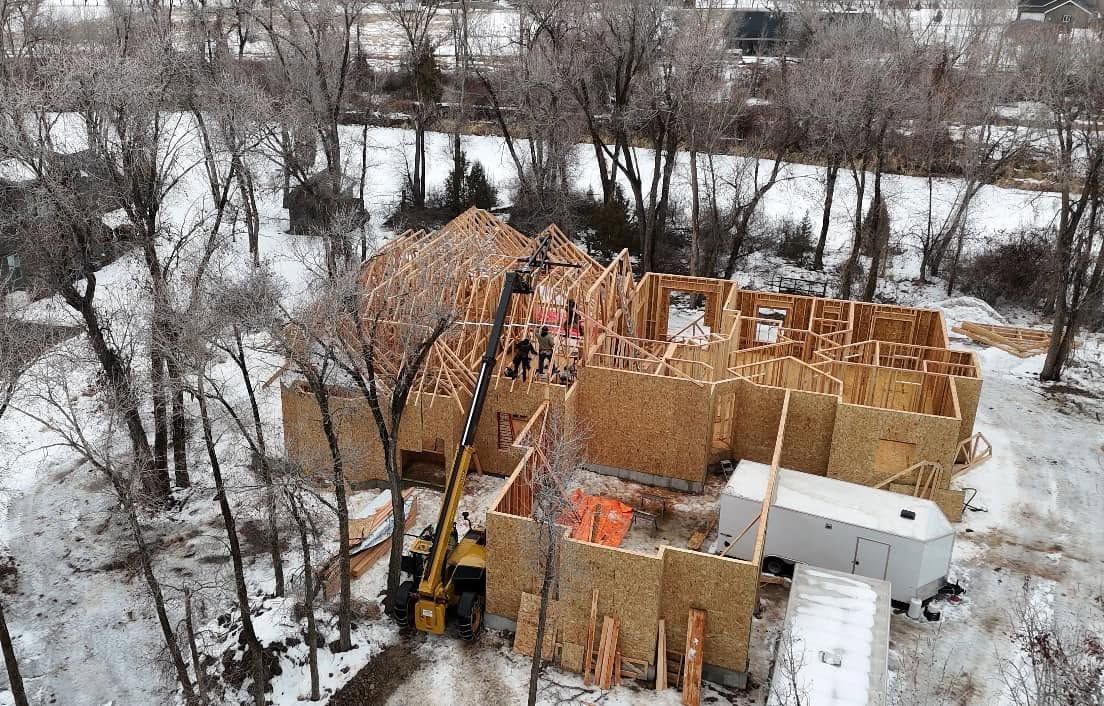
One of the first decisions is understanding the property you're building on. Mountain lots can vary significantly in elevation, slope, access, soil conditions, and available utilities.
The shape and characteristics of the lot can influence where the home is placed, how the driveway is designed, and whether additional site preparation is necessary.
Before settling on a home design, take time to understand the land. A good building plan should work with the property rather than forcing the property to work around the house.
Take Advantage of the Views
Mountain properties often come with some of the best views around, so the design of your home should take advantage of them.
Large windows, strategically positioned living spaces, decks, patios, and balconies can all help connect the interior of the home with the surrounding landscape.
Think about where you'll spend the most time. Positioning a kitchen, great room, dining area, or primary bedroom toward a particularly beautiful view can make the setting a major part of the home.
Consider How You'll Use the Home
Not every mountain home serves the same purpose.
A vacation cabin may have different needs than a year-round residence. A family retreat may need additional bedrooms and gathering spaces, while a smaller cabin may prioritize a comfortable great room and efficient use of space.
Before designing your home, consider questions such as:
- Will the home be used year-round?
- How many people will typically stay there?
- Will you regularly have guests?
- Do you need extra storage for outdoor equipment?
- Will you need a large garage?
- Do you want dedicated outdoor living areas?
- Will the home eventually become a full-time residence?
Answering these questions early can help create a floor plan that fits the way you actually plan to use the property.
Plan for Mountain Weather
Mountain environments can experience significant changes in weather throughout the year. Snow, cold temperatures, wind, and changing conditions should all be considered during the design and construction process.
The home's insulation, windows, roofing, exterior materials, heating system, and other construction details can contribute to year-round comfort and durability.
Your builder can help you make decisions that are appropriate for the location and intended use of your home.
Create a Practical Entryway
A mountain home often means spending more time outdoors, which makes the entryway especially important.
A well-designed mudroom can provide a place for boots, coats, snow gear, outdoor equipment, and everyday storage. Depending on the property and how you plan to use it, you may also want dedicated storage for skis, bikes, fishing equipment, hunting gear, or other recreational items.
These practical details can make a major difference in how comfortable the home is on a day-to-day basis.
Blend Comfort With Mountain Character
A mountain home doesn't have to sacrifice modern comfort to achieve a rustic appearance.
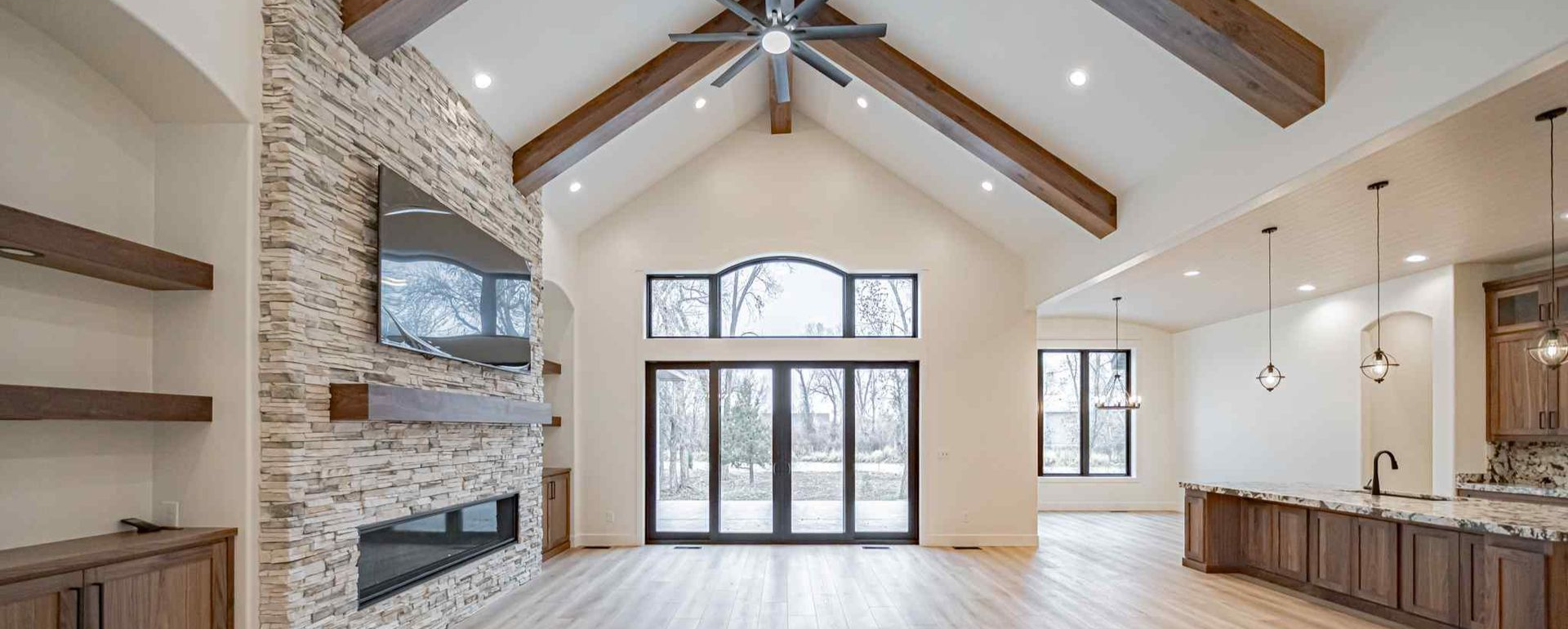
Natural wood, stone, large windows, exposed beams, fireplaces, and other architectural details can create the mountain character many homeowners want. At the same time, modern kitchens, comfortable bedrooms, functional bathrooms, efficient heating and cooling, and well-planned living spaces can make the home feel like a true residence.
The goal is to create a balance between the atmosphere you want and the functionality your family needs.
Think About Outdoor Living
One of the biggest advantages of a mountain property is the opportunity to spend time outside.
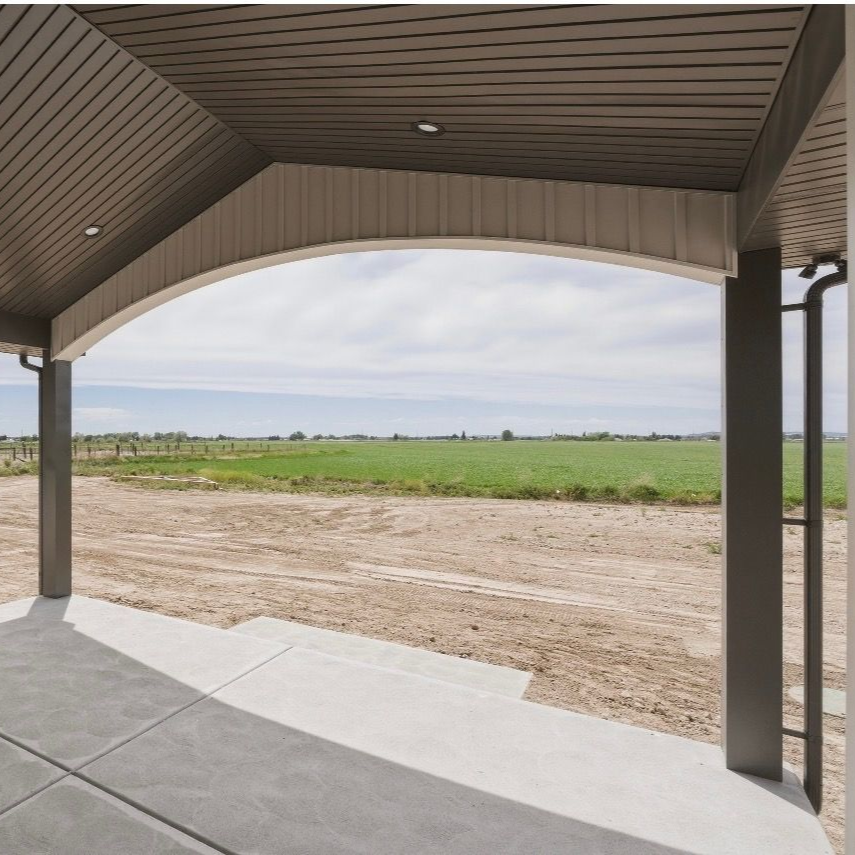
Covered porches, decks, patios, outdoor fireplaces, and gathering areas can extend the usable living space of your home. These spaces can provide a place to enjoy morning coffee, gather with family, watch the sunset, or simply take in the surrounding landscape.
When designing your home, consider how the outdoor spaces will connect with the main living areas.
Choose a Builder With Experience
Building a home in a mountain environment requires careful planning and attention to the details that make the property unique.
An experienced mountain home builder can help you think through the property, design, materials, construction process, and practical features that will affect your finished home.
Choosing a builder early can also help you understand what is possible on your property before you become committed to a particular design.
Building Your Mountain Home or Cabin
A mountain home should feel like it belongs where it was built. The best designs take advantage of the land and views while providing the comfort, functionality, and durability homeowners need.
Whether you're planning a weekend cabin, family retreat, or year-round mountain residence, careful planning from the beginning can help turn your property into a place you'll enjoy for years.
Finn Construction builds custom mountain homes and cabins designed around the property, the homeowner, and the way the home will be used. If you're ready to start planning your mountain build in East Idaho, contact Finn Construction to discuss your vision.
Finn Construction Blog